Cute Stubby Pencil with Mono C: Embroidery Review
As a professional embroidery designer and product reviewer, I approach every new graphic asset with a critical eye toward stitchability. When evaluating the Cute Stubby Pencil with Mono C, my primary focus is not just on its digital aesthetics but on how it translates from screen to fabric. This design falls squarely into the Crafts and Graphics category, targeting artists, educators, and stationery enthusiasts. However, for those of us running an Etsy shop or managing commercial embroidery projects, the real question is whether this machine embroidery design holds up under the needle and adds genuine value to a finished product.
First Impressions and Visual Personality
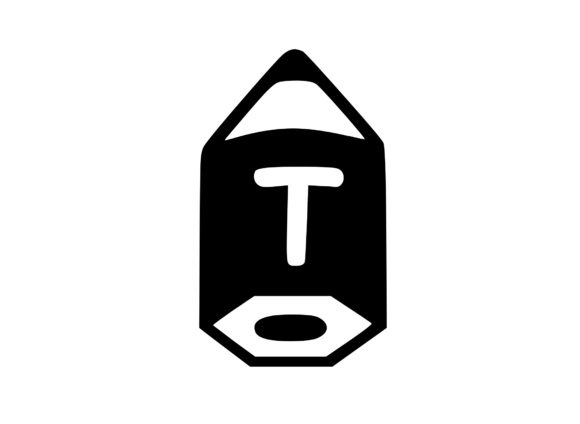
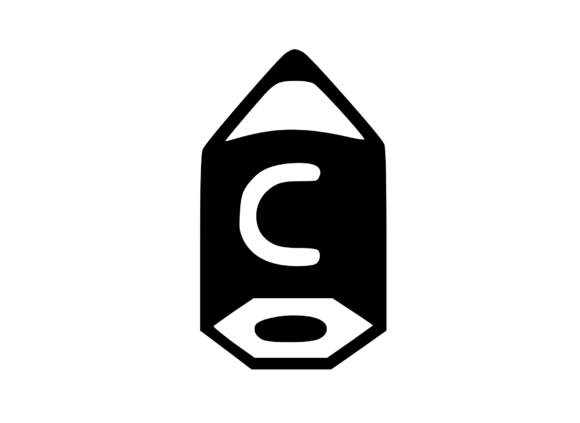
Upon opening the digital embroidery file, the first thing that strikes me is the intentional charm of the "stubby" proportion. Unlike standard pencil graphics that are long and thin—which can be notoriously difficult to hoop without distortion—this compact shape offers superior versatility. The inclusion of the monogram letter "C" integrated directly into the design suggests it was created with personalization in mind. Visually, it evokes nostalgia, creativity, and academic warmth. It feels less like a generic school supply icon and more like a boutique badge for makers, teachers, or writers.
For a handmade product line, this mood is essential. Customers buying personalized gifts are often looking for that specific blend of utility and whimsy. The layout appears balanced enough to serve as a standalone motif on a pocket-sized item or as part of a larger composition on a tote bag design. As a reviewer, I appreciate when a graphic respects the physical limitations of embroidery; the wider aspect ratio of this stubby pencil reduces the risk of registration errors that often plague taller, narrower designs.
Real-World Application: The Teacher Appreciation Tote
To truly evaluate this asset, I mentally placed it in a recent client scenario: creating custom merchandise for a local school district’s teacher appreciation week. We needed a sweatshirt embroidery design that felt personal yet professional. The Cute Stubby Pencil with Mono C served as an excellent anchor for this project.
In this context, the design performed exceptionally well as a left-chest placement. Because the pencil is stout, it filled the 4x4 hoop area effectively without requiring excessive stabilizer or risking fabric puckering on the pique knit polo shirts we were using. The monogram element allowed us to customize each shirt for individual teachers while maintaining brand consistency across fifty units. For small shop products like these, efficiency is key. A design that stitches out cleanly at multiple sizes without losing detail saves time and reduces waste. If you are planning holiday embroidery or back-to-school collections, this graphic bridges the gap between cute and functional perfectly.
Technical Performance and Fabric Considerations
While the aesthetic is strong, technical execution requires attention. When adapting this SVG or digital embroidery file for different substrates, consider the following practical constraints:
- Stretchy Fabrics: On jersey knits used for baby embroidery or t-shirts, ensure you use adequate cut-away stabilizer. The fill stitch areas in the pencil body can cause tunneling if the fabric isn't properly supported.
- Textured Surfaces: If applying this as an embroidered patch onto canvas or denim, the running stitch outlines must be bold enough to stand out against the fabric texture. Test your thread colors against dark backgrounds to ensure the graphite and eraser details remain visible.
- Small Hoop Sizes: While the stubby shape is advantageous, scaling it down below 3 inches may compromise the clarity of the monogram "C." Always verify legibility before committing to a bulk run of baby clothes or handkerchiefs.
- Curved Surfaces: For cap embroidery, the horizontal orientation of this pencil works better than vertical alternatives. However, ensure the curve of the cap doesn't distort the straight lines of the pencil shaft.
I also advise checking the stitch density before production. Graphics converted from vector art sometimes suffer from overly dense fill stitches that can perforate delicate fabrics. If you are using this for commercial embroidery on lightweight tea towels or nursery decor, you may need to adjust the density settings in your digitizing software to prevent stiffness or fabric damage.
Enhancing Product Value and Customer Trust
Beyond the mechanics of stitching, we must consider marketability. Does the Cute Stubby Pencil with Mono C help sell products? In my experience reviewing craft business assets, designs with built-in personalization elements have a higher conversion rate. Buyers perceive them as bespoke rather than mass-produced.
When listing this on platforms like Etsy, use printable mockups that show the design on realistic textures. A flat digital preview does not convey the tactile quality of satin stitch borders or the sheen of rayon thread. Showing the design stitched on a real apron or pillow cover builds customer trust by demonstrating that the file has been tested and proven viable. Furthermore, because this design appeals to a niche audience (artists, students, educators), it allows for targeted SEO in your listings. Terms like "teacher gift," "writer accessory," or "art student gear" pair naturally with this visual, helping buyers find your unique offerings amidst generic competition.
Essential Designer Notes for Success
Before adding this to your inventory or starting a production run, adhere to these professional best practices:
- Verify Licensing: The product description encourages proud reproduction, but always confirm the specific license terms regarding digital resale versus finished physical goods. Protect your business by understanding what you can and cannot do with the digital embroidery file.
- Test Stitchouts Are Mandatory: Never assume a downloaded file is perfect for your specific machine and fabric combination. Run a test on scrap material to check tension, trim jumps, and color transitions.
- Contrast Check: Evaluate the design in grayscale. If the values are too similar, the pencil will look muddy when stitched in tonal threads. High contrast ensures the "cute" factor translates clearly from a distance.
- Mockup Strategy: Create both light and dark background mockups. Some customers struggle to visualize how white or yellow thread looks on navy fabric. Providing these visuals reduces returns and inquiries.
- File Format Compatibility: Ensure you have the correct format for your machine. While the source may be an SVG, your embroidery machine requires PES, DST, JEF, or similar. Use reliable conversion software to maintain stitch integrity.
Final Verdict for Makers and Sellers
The Cute Stubby Pencil with Mono C earns a positive recommendation for embroiderers seeking versatile, niche-specific graphics. Its proportions are practical for hooping, its theme is evergreen for educational and creative markets, and its personalization potential adds significant perceived value to custom apparel and gifts. Whether you are decorating a boutique tote bag or fulfilling a bulk order for a corporate event, this design offers a reliable foundation for high-quality results. Just remember to respect the technical requirements of your chosen fabric and always validate your files through testing. With proper execution, this charming graphic can become a staple in your commercial embroidery library, helping your handmade products truly stand out from the crowd.