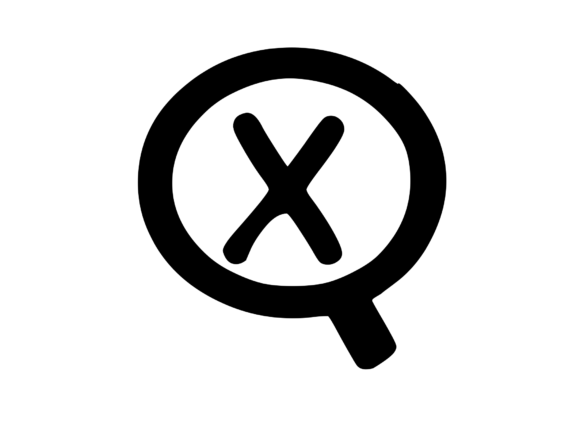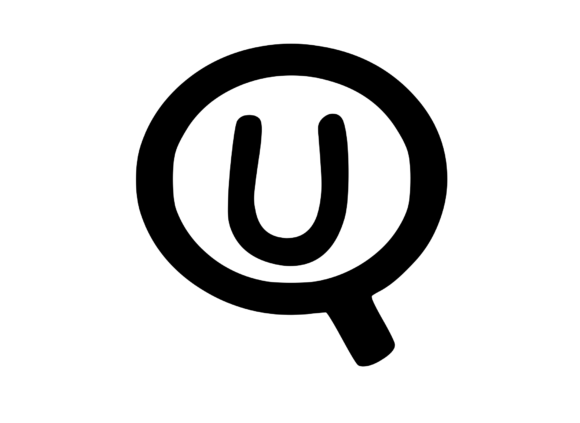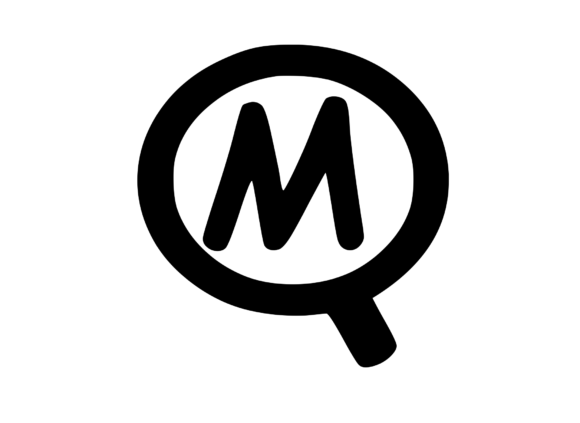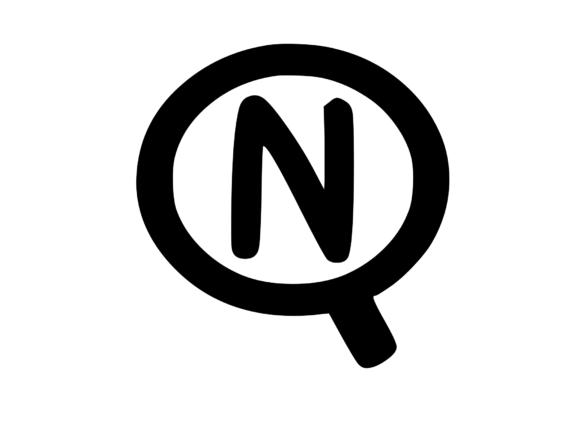
Search Symbol with Playful Mono T Review
First Impressions: Balancing Tech and Whimsy in Embroidery
As a designer who spends hours digitizing and testing files before they ever touch a client’s garment, I approach every new graphic with a healthy dose of skepticism. When I first opened the Search Symbol with Playful Mono T, I wasn't just looking at a digital asset; I was mentally mapping out stitch paths. In the world of Crafts and Graphics, it is easy to find designs that look stunning on a screen but become thread-eating nightmares on fabric. This design, however, strikes a surprisingly balanced chord between modern utility and handmade charm.
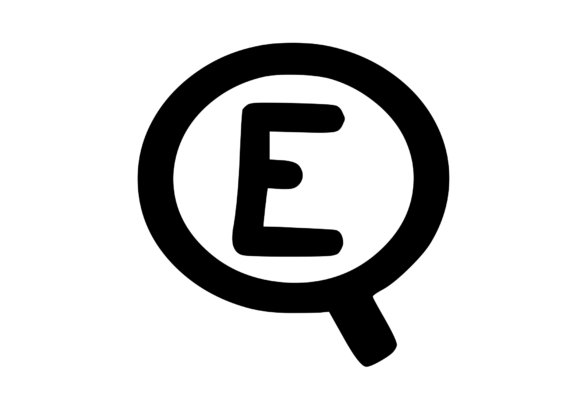
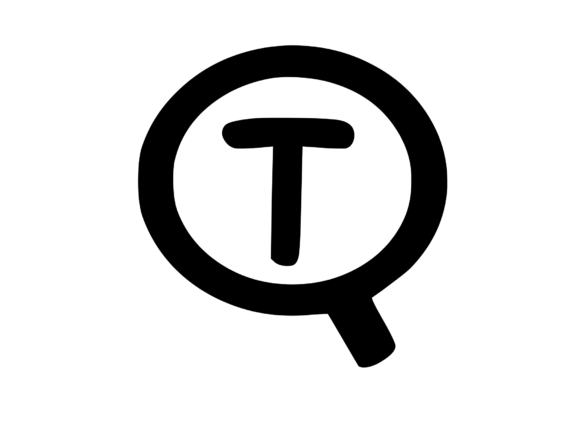
The visual personality here is distinct. The search symbol implies function, technology, and discovery, while the playful monogram "T" softens that rigid association, adding a layer of boutique warmth. For an embroidery designer, this juxtaposition is gold. It suggests a machine embroidery design that can bridge the gap between corporate branding and personalized gifting. The lines appear clean enough for stitching, yet the character of the mono T prevents it from feeling sterile. My immediate thought was not about how to fix it, but where to place it.
Real-World Application: Stitching a Custom Tote Bag
To truly evaluate this file, I had to move beyond the software preview. I recently took on a project for a local creative entrepreneur launching a curated vintage shop. She needed merchandise that felt professional but accessible—specifically, canvas tote bags that served as both shopping vessels and walking advertisements. This was the perfect stress test for the Search Symbol with Playful Mono T.
I chose a natural cotton canvas tote bag design application because textured fabrics are the ultimate truth-teller. If a design has poor registration or excessive jump stitches, canvas will expose it immediately. I opted for a dark navy thread against the unbleached fabric to maximize contrast. During the stitch-out, the interplay between the geometric search icon and the organic curves of the playful mono T became apparent. The satin stitch outlines on the "T" laid down smoothly without puckering, which is often a risk with script elements on heavy material. The fill stitch within the search symbol maintained consistent density, avoiding the dreaded "bulletproof" stiffness that makes embroidered items unwearable.
The result was a finished product that looked intentional rather than generic. My client noted that customers immediately asked about the logo, interpreting it as a symbol of "searching for treasures." This validates the design's ability to communicate a brand message through needle and thread. It transformed a standard promotional item into a desirable piece of custom apparel and accessory wear.
Fabric Compatibility and Technical Considerations
While my experience with the tote was positive, versatility requires caution. Not every fabric behaves like sturdy canvas. As you integrate this embroidery file into your workflow, consider the substrate carefully.
- Stretchy Knits and Sweatshirts: The playful mono T likely contains curves that can distort on jersey or fleece. Always use a cut-away stabilizer and consider a water-soluble topping to prevent stitches from sinking into the pile. Test the stitch density first; if the design is too dense for a lightweight sweatshirt embroidery project, you may need to adjust the underlay in your software.
- Delicate Baby Items: For baby embroidery or nursery decor, texture is paramount. Ensure the back of the design is smooth against sensitive skin. You might need to reduce the overall stitch count or swap heavy satin columns for running stitch outlines to maintain softness.
- Caps and Curved Surfaces: The horizontal spread of a search symbol combined with a monogram can be tricky on curved cap fronts. Verify the hoop size limitations before committing. Distortion at the edges is common, so centering the design precisely is non-negotiable.
- Sheer or Lightweight Fabrics: Avoid using this design on organza or thin linen unless you modify the fill areas. The weight of the thread could overwhelm the fabric structure, causing tearing or sagging.
Elevating Product Value for Sellers and Makers
For Etsy sellers and small shop owners, the difference between a $20 sale and a $45 sale often lies in perceived value. Generic clipart screams "mass-produced," whereas thoughtful design signals "handmade quality." The Search Symbol with Playful Mono T offers a unique aesthetic that enhances buyer engagement because it feels bespoke.
When used in commercial embroidery projects, such as branded aprons for a café or patches for a tech startup's swag, this design avoids the coldness of standard corporate logos. It invites connection. Furthermore, for those selling digital assets or printable mockups, this graphic serves as an excellent showcase piece. Its clear silhouette reads well in thumbnail images, helping potential buyers visualize the end result instantly. However, always verify your specific licensing terms before selling finished products or distributing the digital embroidery file itself to ensure you are operating within legal bounds.
Essential Designer Notes for Success
Before you hoop up and hit start, run through this practical checklist derived from my own production workflow:
- Verify Specifications: Since exact stitch counts and format compatibility aren't listed in the basic description, open the file in your software first. Confirm it fits your machine’s hoop size and that the format translates correctly without losing stitch attributes.
- Contrast Testing: Create black and white mockups before stitching. If the search symbol and the mono T rely solely on color to differentiate, the design will fail on monochromatic garments. Ensure there is sufficient structural contrast.
- Stabilizer Selection: Match your stabilizer to the fabric, not the design. A tear-away might work for canvas, but a no-show mesh is better for light-colored knits. Never skip this step.
- Thread Color Strategy: While the design works in single-color applications, consider variegated threads for the playful mono T to add depth without increasing complexity. Solid threads work best for the search symbol to maintain legibility.
- Sample First: Always stitch a test on scrap fabric identical to your final project. Inspect the registration points where the symbol meets the letter. Adjust tension or pull compensation if gaps appear.
- Wash Test: If creating tea towels or baby items, wash and dry your sample. Some intricate details in applique designs or small text can degrade after laundering if not secured properly during digitization.
Final Verdict on Versatility
The Search Symbol with Playful Mono T is more than just a cute graphic; it is a functional tool for makers who want to stand out. It successfully merges the digital age with the tactile tradition of needlework. Whether you are crafting a personalized gift for a librarian, branding a new app launch with embroidered patches, or expanding your holiday embroidery catalog, this design brings a necessary playfulness to technical motifs.
Success with this file depends on respecting the medium. Treat it as a starting point for your creativity, not a plug-and-play solution. By paying attention to fabric texture, stabilizer choices, and proper testing, you can turn this SVG into a staple of your embroidery business. It represents exactly what modern crafting should be: smart, adaptable, and undeniably personal.