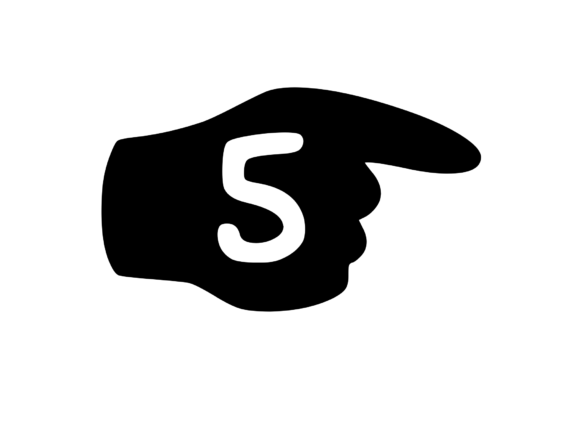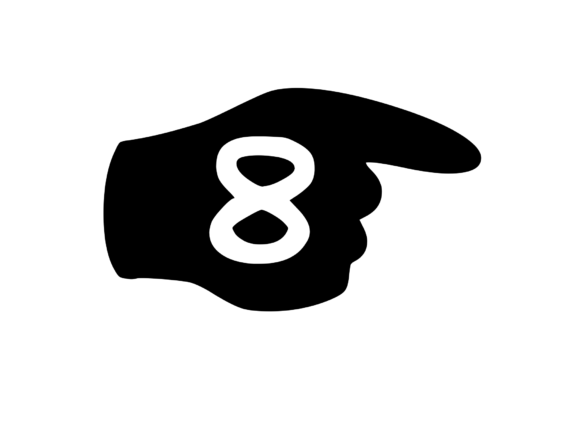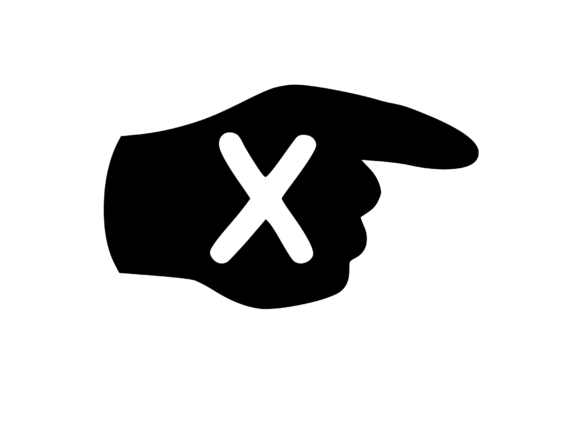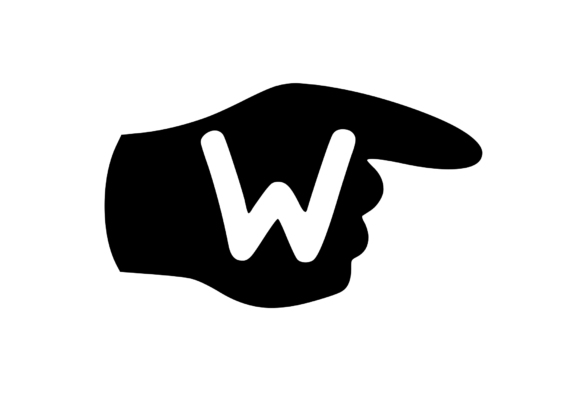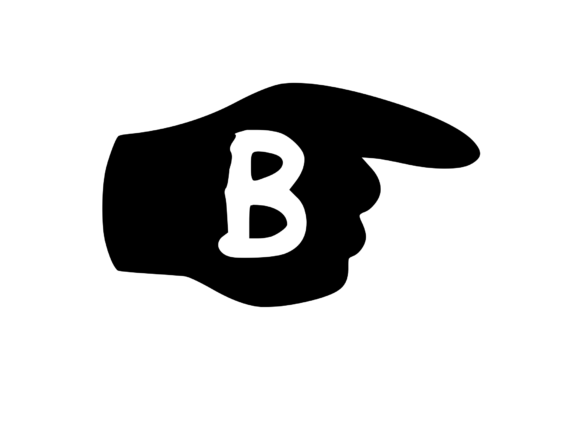
Pointing Hand with Playful Mono B: A Stitch Test
When I first loaded the Pointing Hand with Playful Mono B into my embroidery software, I wasn't just looking for a cute graphic; I was evaluating a potential workhorse for my upcoming seasonal collection. As a designer who balances creative expression with the practical realities of running a small shop, I need assets that translate beautifully from screen to fabric. This design immediately struck me as having a distinct vintage-meets-modern personality. The interplay between the illustrative hand and the playful monoline typography suggests a versatility that is often missing in standard graphics. It feels less like a generic clip-art insertion and more like a curated piece of art ready for textile application.
First Impressions and Design Personality
The visual mood of this machine embroidery design is undeniably inviting. In the world of Crafts and Graphics, we often see pointing hands that feel aggressive or overly cartoonish. However, Pointing Hand with Playful Mono B strikes a sophisticated balance. The lines appear fluid rather than rigid, which is crucial when translating vector art into stitch data. For an embroidery project, this matters immensely. Sharp, jagged vectors can result in messy satin stitches, but the organic flow here promises smoother needle penetration and cleaner edges.
I envision this design serving as a directional element in a larger layout or standing alone as a bold statement on custom apparel. It has enough character to anchor a minimalist sweatshirt embroidery design without overwhelming the garment. For Etsy sellers and boutique owners, this aesthetic bridges the gap between trendy nostalgia and timeless craftsmanship, making it a safe yet stylish bet for customer engagement.
Real-World Application: The Canvas Tote Test
To truly judge this asset, I mentally placed it in a specific production scenario: a heavyweight canvas tote bag intended for a local market pop-up. Tote bags are high-traffic items that require durable stitching. When planning a tote bag design, stability is key. The Pointing Hand with Playful Mono B appears to have a moderate complexity that would sit well on uncoated cotton canvas.
In this real-life scenario, I would likely pair the hand with a short, witty phrase or a business name. Because the "Playful Mono" aspect implies a specific typographic style, I would ensure my accompanying text matches that weight. If I were stitching this for a client, I’d position the hand slightly off-center to create dynamic movement. On a natural canvas background, using a deep navy or forest green thread would provide excellent contrast while maintaining that artisanal handmade product feel. This specific application highlights why checking your digital embroidery file before hooping is vital; you want to ensure the scale allows the hand’s details to remain legible from a conversational distance.
Fabric Compatibility and Stabilizer Strategy
Not every fabric is a friend to detailed graphics. Based on the line quality of Pointing Hand with Playful Mono B, here is how I would approach different substrates:
- Woven Cottons and Linens: These are ideal. The stable weave supports both fill stitch areas and fine running stitch details without distortion. Use a medium-weight cutaway stabilizer for permanent support.
- Stretchy Knits (Sweatshirts/Tees): Proceed with caution. The playful mono lines could warp if the fabric shifts. Always use a fusible no-show mesh stabilizer and consider a light spray adhesive to keep the knit locked in place during stitching.
- Textured Fabrics (Terry Cloth/Fleece): Fine details may get lost in the pile. If using this for baby embroidery or kitchen towels, apply a water-soluble topping to prevent stitches from sinking. You may also need to simplify the design in your software if the texture is particularly heavy.
- Caps and Curved Surfaces: The horizontal span of a pointing hand can be tricky on curved cap fronts. Test the hoop size limitations carefully. If the design is too wide, it may distort at the edges of the curve.
Technical Considerations for Commercial Use
For those of us managing a craft business or selling finished products, technical execution defines perceived value. When reviewing the embroidery file for Pointing Hand with Playful Mono B, pay close attention to stitch density. If the design includes solid fill areas, ensure they aren't so dense that they cause puckering on lighter fabrics. Conversely, if it relies heavily on running stitches, verify they are long enough to secure properly without breaking.
Thread color selection will make or break this design. Because it features a "playful" mono aesthetic, high-contrast variegated threads could look chaotic. I recommend solid, matte-finish rayon or polyester threads to let the shape speak for itself. For commercial embroidery projects destined for frequent washing, such as aprons or baby bibs, ensure the stitch count is sufficient to withstand abrasion but not so heavy that it creates a stiff, uncomfortable patch on the garment.
Maximizing Value for Sellers and Makers
Beyond the physical stitch-out, this design asset offers significant value for digital product sellers and creative entrepreneurs. Before listing a personalized gift or custom apparel item featuring Pointing Hand with Playful Mono B, create comprehensive printable mockups. Show the design on varying fabric textures and colors. Customers need to visualize how the playful mono style interacts with different backgrounds. Does it look better on cream fleece or charcoal cotton? Your mockups should answer these questions.
Furthermore, consider the licensing and usage rights. The description notes this is great for artists and designers to proudly reproduce, but always verify the specific terms regarding digital redistribution versus finished physical sales. Clarifying whether you can use this in an embroidered patch for resale or strictly for personal decoration protects your business integrity. For Etsy sellers, highlighting the unique artistic nature of this design in your listing photos can justify a higher price point compared to generic stock designs.
Designer Notes for Success
Before committing this design to your best inventory, follow this practical checklist:
- Test Stitch First: Never skip this step. Run Pointing Hand with Playful Mono B on scrap fabric identical to your final project. Check for registration issues between the hand and any text elements.
- Evaluate Scale: Resize the design in your software to fit your specific hoop size. Watch for automatic stitch regeneration that might alter the delicate mono lines when scaling down significantly.
- Check Contrast: View your digital mockup in grayscale. If the hand disappears against the background in black and white, it lacks sufficient contrast for real-world visibility.
- Verify Hoop Fit: Ensure there is adequate clearance around the design within the hoop to prevent shadow stitching or frame marks on delicate fabrics.
- Review License: Confirm you are cleared for your intended use, whether that is a single holiday gift or a run of 50 retail units.
Ultimately, Pointing Hand with Playful Mono B represents a thoughtful intersection of artistry and utility. It avoids the trap of being overly complex while retaining enough charm to elevate a simple project into something memorable. Whether you are decorating a nursery pillow, branding a small shop product, or creating a unique holiday gift, this design brings a confident, handcrafted energy. By respecting the technical requirements of machine embroidery and pairing it with appropriate materials, you transform a digital graphic into a tangible piece of quality craftsmanship that customers will trust and cherish.