Recycle Symbol with Playful Mono U Review
As a professional embroidery designer and product reviewer, I approach every new graphic with a specific question: will this actually stitch out well on real fabric? When evaluating the Recycle Symbol with Playful Mono U, my assessment goes far beyond the screen preview. While the digital file is categorized under Graphics and Crafts, its true value lies in how it translates from pixels to thread. This design offers a unique intersection of environmental messaging and typographic charm, but like any machine embroidery design, it requires careful consideration regarding placement, stabilization, and end-use application.
First Impressions: Balancing Eco-Consciousness with Whimsy
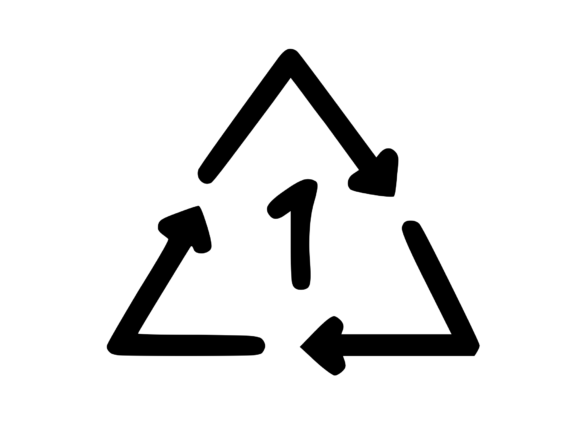
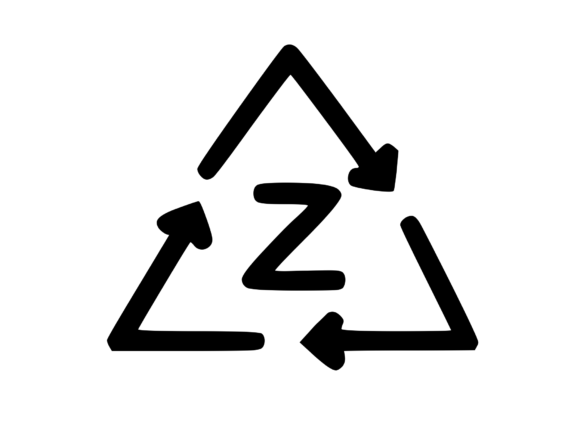
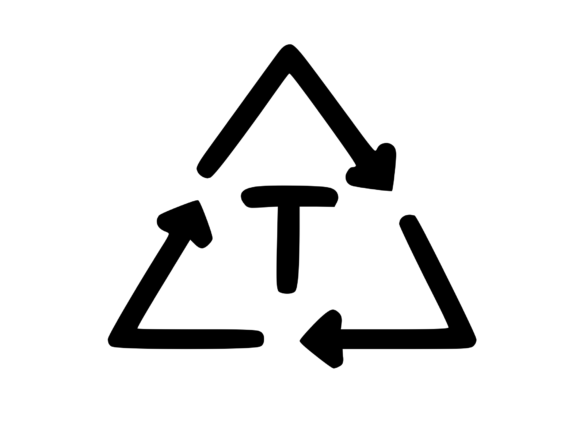
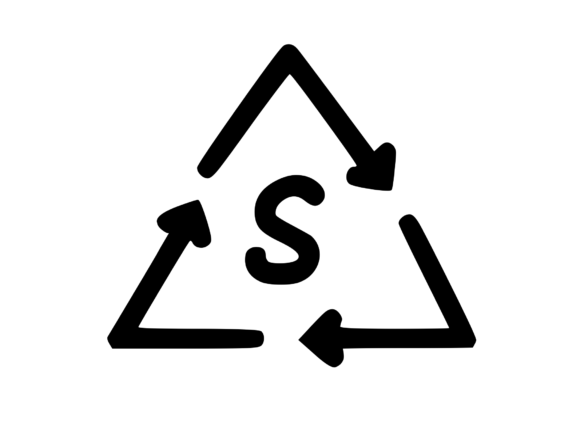
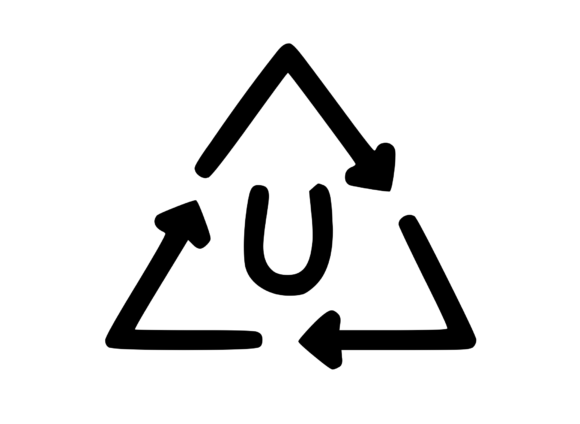
The immediate visual impact of Recycle Symbol with Playful Mono U is surprisingly versatile. Standard recycling symbols can often feel industrial or overly utilitarian, which sometimes clashes with the aesthetic of handmade products. However, the integration of the playful monogram softens the iconography significantly. From a designer’s perspective, this creates an emotional connection that a standard vector lacks. It suggests sustainability without being preachy, making it an excellent candidate for lifestyle brands and personalized gifts.
The typography appears balanced against the geometric arrows of the recycle symbol. In embroidery, balance is critical. If the lettering is too heavy compared to the symbol, the design looks top-heavy; if too light, it disappears during stitching. This design seems to respect that equilibrium. The "Playful Mono" style implies rounded terminals and open counters, which are generally safer for embroidery than sharp serifs or ultra-thin lines that might get lost in fabric texture. For an Etsy seller or boutique owner, this mood strikes the right note for customers who value both aesthetics and ethics.
Real-World Application: Stitching a Custom Canvas Tote
To truly judge this asset, I mentally walked through a recent client project involving custom canvas tote bags for a local zero-waste market. Canvas is a forgiving fabric, but it has a distinct weave that can distort fine details. Using Recycle Symbol with Playful Mono U for this tote bag design required specific adjustments.
Because the design combines a symbol with text, I had to consider the stitch type hierarchy. The recycling arrows likely utilize a satin stitch or a dense fill stitch to create solid coverage. On canvas, a running stitch outline often helps define these shapes before the fill lays down, preventing the fabric from pushing out and creating gaps. The monogram element, depending on its size, might require a different approach. If the letters are substantial, a satin stitch works beautifully. However, if they are delicate, I would verify that the embroidery file includes adequate underlay stitches to prevent the canvas grain from showing through the thread.
For this specific tote bag project, the design served as a central branding element rather than just a decoration. Customers responded positively because the playful font made the eco-message feel accessible. This validates the design's utility for commercial embroidery projects where buyer engagement is the ultimate metric. It transforms a generic bag into a conversation piece, adding perceived value to the finished product.
Fabric Compatibility and Technical Considerations
While the tote bag scenario was successful, Recycle Symbol with Playful Mono U demands caution when applied to other substrates. Not all fabrics treat this combination of geometry and script equally.
- Stretchy Fabrics (Jersey/Knits): If you are planning sweatshirt embroidery or baby clothes, you must use a high-quality cut-away stabilizer. The density of the recycle symbol combined with the monogram creates a rigid island of thread. Without proper support, the fabric around the design will pucker, and the playful lettering may distort after washing.
- Textured Surfaces (Terry Cloth/Fleece): For tea towels or blankets, the detail level of the monogram is the risk factor. Loops in terry cloth can swallow thin running stitches. You may need to add a water-soluble topping to ensure the Playful Mono U remains legible and crisp.
- Curved Items (Caps/Hats): Be wary of using this design on structured caps unless it has been specifically digitized for curved surfaces. Flat designs often gap at the top and bottom when forced onto a cylinder. Always test on a scrap cap first.
- Dark Fabrics: Contrast is key. Ensure your thread colors provide enough differentiation between the symbol and the monogram so the design reads clearly from a distance.
Evaluating Stitch Density and Design Integrity
A major concern for any apparel decorator is stitch density. Overly dense designs make garments stiff and uncomfortable, while sparse designs look cheap. When reviewing Recycle Symbol with Playful Mono U, check the properties within your embroidery software or consult the digitizer's notes. The transition points between the recycle arrows and the monogram should be smooth. Jump stitches should be minimized or strategically placed where they can be easily trimmed or hidden.
For small shop products like patches or aprons, the scale matters immensely. If you resize this design down for a baby bib or a sleeve cuff, verify that the smallest elements of the monogram remain distinct. Text that looks fine at 4 inches can become an illegible blob at 1.5 inches. Conversely, enlarging it for a pillow cover or jacket back requires checking that the satin stitches do not exceed your machine’s maximum width, which could lead to looping or thread breaks.
Commercial Viability for Makers and Sellers
For creative entrepreneurs, time is money. A design that requires constant troubleshooting is a liability. Recycle Symbol with Playful Mono U shows promise as a reliable asset for digital product sellers and makers of physical goods alike. Its dual nature allows for diverse inventory creation. You could use the full design for holiday embroidery on gift sacks, isolate the monogram for personalized baby items, or use just the symbol for uniform branding on staff aprons.
However, professionalism dictates due diligence. Before listing any finished product featuring this design on Etsy or your own website, confirm the licensing terms. Does the purchase allow for commercial reproduction of physical items? Can you use the image for printable mockups and marketing materials? Clarifying these rights protects your business and ensures you are supporting the original artist ethically.
Furthermore, presentation drives sales. When creating listings, do not rely solely on digital renderings. Stitch out a sample on the actual fabric you intend to sell. Photograph the texture and sheen of the threads. Buyers trust handmade products more when they can see the tangible quality of the embroidery. Showing the Recycle Symbol with Playful Mono U stitched on linen versus cotton demonstrates your expertise and helps manage customer expectations regarding fabric texture and finish.
Practical Designer Notes for Success
Based on my evaluation, here are actionable steps to ensure success with this embroidery project:
- Always Test Stitch: Never run this design on a final garment without a test on similar scrap fabric. Check for registration issues between the symbol and the text.
- Verify Hoop Size: Ensure your hoop provides adequate tension margin around the design. Crowding the hoop edges leads to distortion.
- Thread Color Strategy: Test high-contrast and tonal colorways. Sometimes a tonal approach (e.g., sage green thread on olive fabric) looks more sophisticated for boutique branding than stark primary colors.
- Stabilizer Selection: Match the stabilizer weight to the fabric, not just the design. Heavy design + light fabric = heavy cut-away. Light design + heavy fabric = tear-away or wash-away.
- Mockup Accuracy: If selling digital embroidery files, provide accurate previews that show stitch direction and texture, not just flat vectors. This reduces customer service inquiries.
- Wash Testing: If selling baby embroidery or kitchen textiles, wash and dry your test sample three times. Ensure the playful monogram doesn't shrink or pull away from the recycle symbol.
Ultimately, Recycle Symbol with Playful Mono U is a strong contender for modern crafters and businesses. It bridges the gap between functional messaging and decorative art. By approaching it with technical mindfulness and respecting the nuances of machine embroidery, you can transform this graphic into a standout feature of your product line. Whether you are crafting a personalized gift or building a sustainable brand identity, this design offers the flexibility and character needed to resonate with today’s conscious consumers.