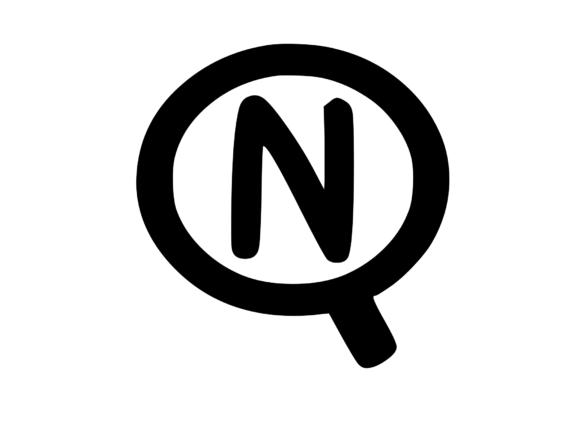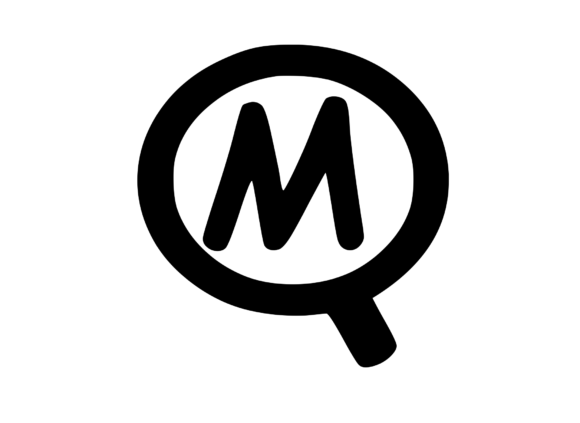
Search Symbol with Playful Mono M: A Stitch Review
As a designer who spends more time behind an embroidery machine than a computer screen, I approach every new graphic with a healthy dose of skepticism. We have all downloaded files that look pristine in digital preview software but turn into thread nests or registration nightmares once the needle hits the fabric. When evaluating the Search Symbol with Playful Mono M, my primary concern was not just its aesthetic appeal as a vector graphic, but its structural integrity as a machine embroidery design. This review breaks down how this specific artwork translates from screen to stitch, specifically for makers and shop owners who need reliable results.
First Impressions: Digital Charm vs. Stitch Reality
At first glance, the Search Symbol with Playful Mono M carries a distinct retro-modern vibe. The playful monoline weight suggests a casual, approachable personality that fits perfectly within current trends for custom apparel and boutique branding. As a graphic asset, it is clean and versatile. However, translating a mono-weight line into embroidery requires careful consideration of stitch density and type.
In my initial assessment, the continuous line nature of this design makes it an ideal candidate for a running stitch or a light satin outline, depending on the desired thickness. Unlike complex applique designs or heavy fill areas, this symbol relies entirely on line quality. If the digitizing is too dense, the "playful" aspect vanishes, replaced by stiff, bulletproof stitching. If it is too sparse, the design loses definition on textured fabrics. For Etsy sellers and craft business owners, this balance is critical because the design needs to look intentional and professional, not like a failed experiment.
Real-World Application: The Custom Tote Bag Test
To truly evaluate this design, I mentally placed it in a real production scenario: creating a branded canvas tote bag for a local artist collective. Canvas is unforgiving; it has a visible weave that can swallow fine details, yet it is sturdy enough to support decorative stitching.
For this tote bag design application, the Search Symbol with Playful Mono M serves as a perfect secondary element or pocket placement logo. In this context, I would treat the monoline as a medium-weight satin stitch rather than a simple running stitch. Why? Because canvas texture demands visual weight. A single running stitch might get lost in the fabric grain, making the finished product look unfinished. By utilizing a satin column, the symbol pops against the natural cotton background, ensuring the handmade product feels premium.
This specific use case also highlights the design’s value for commercial embroidery. It is small enough to fit on a pocket or sleeve without overwhelming the garment, yet distinctive enough to serve as brand recognition. For small shop products, this versatility means you can use the same embroidery file across multiple SKUs—from aprons to caps—maintaining brand consistency while minimizing digitizing costs.
Navigating Fabric Variables and Hoop Constraints
While the Search Symbol with Playful Mono M is adaptable, it is not immune to physics. Experienced embroiderers know that line-based designs are particularly sensitive to fabric choice and stabilization.
- Stretchy Fabrics: If you are planning sweatshirt embroidery or working with performance knits, caution is required. Monoline designs can distort easily if the fabric shifts during stitching. You must use appropriate stabilizer (likely a cutaway for knits) and potentially a topping to prevent the stitches from sinking into the pile. Without this, the playful curve of the 'M' could warp into a jagged line.
- Curved Surfaces: Using this on caps or curved sleeves presents a challenge. Linear designs emphasize distortion more than filled shapes do. If hooping isn't perfect, the gap between the search icon and the letter M may close up or spread apart. Always test on a scrap curved surface before committing to a batch of hats.
- Small Scale Limitations: While great for patches, be wary of shrinking this design too much for baby embroidery or collar tags. If the satin stitch width drops below 0.8mm, you risk needle breaks and thread shredding. Verify the minimum size specifications in your digital embroidery file before resizing.
For holiday embroidery or seasonal items on darker fabrics, remember that thread contrast is everything. A white monoline on cream fabric disappears; a metallic gold on navy creates luxury. Always run a printable mockup or a physical stitch-out to verify visibility before listing a personalized gift in your shop.
Impact on Product Value and Customer Perception
Why does this specific design matter to your bottom line? In the saturated market of Crafts and Graphics, uniqueness sells. Generic clipart is recognizable and often ignored. The Search Symbol with Playful Mono M offers a stylized alternative that signals "designed," not "downloaded."
When customers receive a finished product featuring this motif, the clean lines and balanced proportions communicate professionalism. Poorly digitized line work looks messy and cheapens the perceived value of the entire item. Conversely, crisp, well-executed stitching builds trust. For Etsy sellers, high-quality photos of this design stitched out can serve as powerful social proof. It shows you understand the interplay between digital art and textile craft.
Furthermore, this design bridges the gap between niche and mass appeal. It works for tech-themed merchandise, library events, educational branding, or simply as a quirky aesthetic choice for Gen Z fashion. This broad applicability makes it a safer investment for design assets compared to hyper-specific seasonal graphics that sit unused for eleven months of the year.
Essential Designer Notes Before You Stitch
Before you load the Search Symbol with Playful Mono M into your machine for a client project or personal make, run through this practical checklist. These steps separate hobbyists from professionals:
- Verify Licensing: The description encourages you to "proudly reproduce this," but always double-check the specific license terms included with your embroidery file. Ensure you have commercial rights if selling finished goods or using it for client branding.
- Test Stitch Density: Do not assume the default settings match your fabric. Run a test on scrap material identical to your final project. Check the back of the sample; excessive bobbin thread showing on top indicates tension issues or density problems specific to this linear style.
- Check Thread Colors: Monoline designs rely on color blocking for depth since there is no shading. Select thread colors that complement each other if the design uses multiple segments. Variegated threads can sometimes create muddy sections in continuous line work; solid colors often yield cleaner results for this specific aesthetic.
- Hoop Size Confirmation: Ensure your hoop size allows for adequate margin around the design. Tight hooping causes puckering, which is fatal for linear graphics. Use the smallest hoop that still provides comfortable clearance to maintain fabric stability.
- Mockup Validation: Before listing a new product, create a realistic mockup. Does the scale look right relative to the garment? Is the placement flattering? A digital preview saves wasted materials and prevents customer returns due to sizing expectations.
The Search Symbol with Playful Mono M is a fantastic addition to any maker's library, provided it is treated with the technical respect embroidery demands. It is more than just a pretty SVG; it is a functional design element that, when executed correctly, elevates custom apparel, enhances embroidered patches, and adds genuine character to your creative output. Whether you are decorating a nursery pillow or branding a startup, let your stitching be as intentional as your design choice.