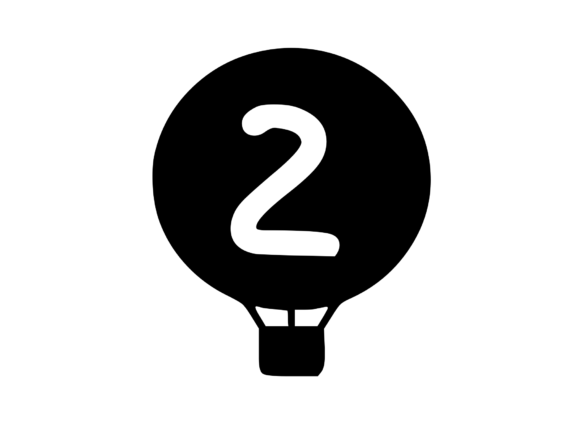
Hot Air Balloon with Mono 2: An Embroidery Review
As a professional embroidery designer and product reviewer, I approach every new machine embroidery design with a critical eye. It is not enough for a graphic to look beautiful on a screen; it must translate flawlessly through the needle and thread. When evaluating Hot Air Balloon with Mono 2, my primary focus is on its viability for real-world production. This design sits at the intersection of whimsical illustration and functional typography, making it a unique asset for the Crafts category. However, combining a detailed balloon motif with monogram elements requires careful consideration of stitch structure, fabric compatibility, and end-use durability. Here is my practical assessment of how this design performs when moved from digital file to finished product.
First Impressions and Visual Personality
Upon opening the embroidery file, the immediate impression of Hot Air Balloon with Mono 2 is one of nostalgic charm balanced with modern versatility. The silhouette suggests a classic shape that reads well even at smaller sizes, which is crucial for commercial applications. Unlike overly complex scenic designs that can become muddy when stitched, this graphic appears to rely on clean lines and distinct color blocks. For an Etsy seller or boutique owner, this visual clarity is essential. Customers browsing thumbnails need to instantly recognize the theme. The integration of the mono element implies personalization potential, transforming a generic nursery graphic into a meaningful personalized gift. As a piece of Graphics art intended for textile application, it strikes a promising balance between decorative appeal and structural integrity.
Real-World Application: The Custom Tote Bag Test
To truly judge this design, I mentally placed it in a specific production scenario: creating a custom canvas tote bag for a baby shower gift. Canvas is a forgiving but textured substrate that demands confident stitching. In this context, Hot Air Balloon with Mono 2 serves as an excellent centerpiece. If the design utilizes an applique design technique for the balloon envelope, it would significantly reduce stitch count while adding tactile interest—a massive plus for commercial embroidery efficiency. The monogram component allows for the addition of the baby’s initials or name, elevating the perceived value of the handmade product.
However, success in this scenario depends entirely on execution. A tote bag design must withstand wear and washing. If the lettering in the mono section uses a delicate running stitch, it risks getting lost in the canvas weave or breaking during use. I would look for a sturdy satin stitch or a filled column stitch for the text to ensure legibility. Furthermore, because tote bags are often unlined, the backside of the embroidery matters. Excessive jump stitches or messy trims here would detract from the professional finish expected by clients paying for premium custom apparel or accessories. This design has the potential to be a best-seller for makers focusing on nursery decor and personalized gifts, provided the digitizing supports the weight of the fabric.
Navigating Fabric Textures and Hoop Constraints
Not every project is a stable canvas tote. One of the most common challenges I face as a reviewer is assessing how a design behaves on difficult materials. Hot Air Balloon with Mono 2 likely contains varying densities that require careful management on stretchy or textured fabrics.
- Sweatshirt Embroidery: Fleece and french terry can swallow fine details. If the balloon has intricate rigging lines or tiny text, they may disappear into the pile. Using a water-soluble topping is non-negotiable here to keep the stitch density visible and crisp.
- Baby Embroidery: For onesies or bibs, the design must be lightweight. Heavy fill stitch areas can make garments stiff and uncomfortable against sensitive skin. I recommend checking if the design offers a "light" version or adjusting the density manually before stitching on knit fabrics.
- Cap and Curved Surfaces: Unless specifically digitized for caps, center-heavy designs like hot air balloons can cause registration issues on curved brims. The vertical height of the balloon combined with the mono text might exceed the safe stitching area of a standard cap frame.
For small shop product creators, understanding these limitations prevents wasted blanks and unhappy customers. Always verify the physical dimensions against your available hoop size before purchasing or stitching.
Commercial Viability and Brand Consistency
For creative entrepreneurs and digital product sellers, consistency is currency. Does Hot Air Balloon with Mono 2 align with a cohesive brand aesthetic? The style suggests it pairs beautifully with other vintage-inspired or nursery-themed assets. When listing a finished product online, the embroidery must photograph well. Designs with high contrast and defined edges perform better in printable mockup previews than those with subtle shading or low-contrast threads.
From a business perspective, versatility increases ROI. Can this design work for both a holiday ornament and a spring birthday shirt? The answer appears to be yes, largely due to the customizable mono element. This adaptability makes it a valuable addition to a craft business library. However, sellers must also consider the emotional connection. A hot air balloon evokes travel, dreams, and childhood wonder. Leveraging this mood in product descriptions helps connect with buyers looking for more than just decoration; they are buying a feeling. Just ensure you have confirmed the licensing terms for design assets before selling items commercially or distributing the digital embroidery file itself.
Essential Designer Notes for Success
Before loading Hot Air Balloon with Mono 2 into your machine for a client order or shop stock, run through this practical checklist. These steps separate hobbyist results from professional-grade embroidery project outcomes.
- Test Stitch on Scrap: Never assume factory settings are perfect for your specific setup. Stitch out the design on the exact fabric and stabilizer combination you intend to use. Check for puckering, especially around the mono lettering.
- Evaluate Thread Contrast: View the design in black and white within your software. If the balloon blends into the background without color differentiation, adjust your thread colors to ensure the design pops on both light and dark garments.
- Inspect Small Details: Zoom in to 400% to check for gaps between the balloon segments and the text. Registration errors are most visible where two colors meet. If gaps exist, add pull compensation or underlay.
- Verify Licensing: The product description mentions reproducing the letter, but always double-check the specific license regarding commercial embroidery limits. Ensure you are cleared to sell physical goods featuring this design.
- Mockup Reality Check: Create a realistic preview showing the scale of the design on the actual item. A 4-inch balloon looks vastly different on a toddler tee versus an adult sweatshirt. Accurate representation builds customer trust.
Hot Air Balloon with Mono 2 represents a strong contender for makers seeking a blend of illustration and personalization. Its success, however, lies not in the file itself, but in the thoughtful application of embroidery fundamentals. By respecting fabric limitations, testing rigorously, and leveraging its customizable nature, this design can become a staple in your collection of design assets. Whether you are crafting a heartfelt holiday embroidery gift or building a line of boutique nursery wear, approaching this design with professional intention will ensure your finished stitches soar as gracefully as the balloon itself.